Seasonal HVAC Maintenance Tips to Save on Energy Bills May 22, 2026
Start with Regular Inspections
Routine inspections are essential to catch any potential issues before they escalate into costly repairs. We recommend scheduling professional maintenance twice a year, ideally in the spring and fall. These inspections will ensure your HVAC system is prepared for both the hot summer months and the cold winter season. During these check-ups, technicians can clean components, check for leaks, and ensure everything is functioning efficiently.
Change Filters Frequently
One of the simplest yet most effective steps in HVAC maintenance is changing the air filters regularly. A clean filter allows your system to run efficiently, preventing it from working harder than necessary. Clogged filters reduce airflow, leading to increased energy use and higher bills. For optimal performance, we suggest checking and replacing your filters every one to three months, depending on your home's air quality and usage.
Seal Leaks and Insulate
Energy loss can account for a substantial percentage of your HVAC energy consumption. Examine your home for any leaks around windows, doors, and even ductwork. Sealing these leaks helps regulate your home's temperature more effectively, ensuring your HVAC system doesn't have to work overtime. Additionally, proper insulation in your home reduces the strain on your heating and cooling systems, resulting in lower energy costs.
Invest in a Programmable Thermostat
A programmable thermostat is a wise investment for any homeowner. This device allows you to set temperatures that align with your daily schedule, reducing energy use when you're not home. By adjusting the temperature a few degrees during the day or at night, you can significantly lower your energy bills without sacrificing comfort.
Clean Around Outdoor Units
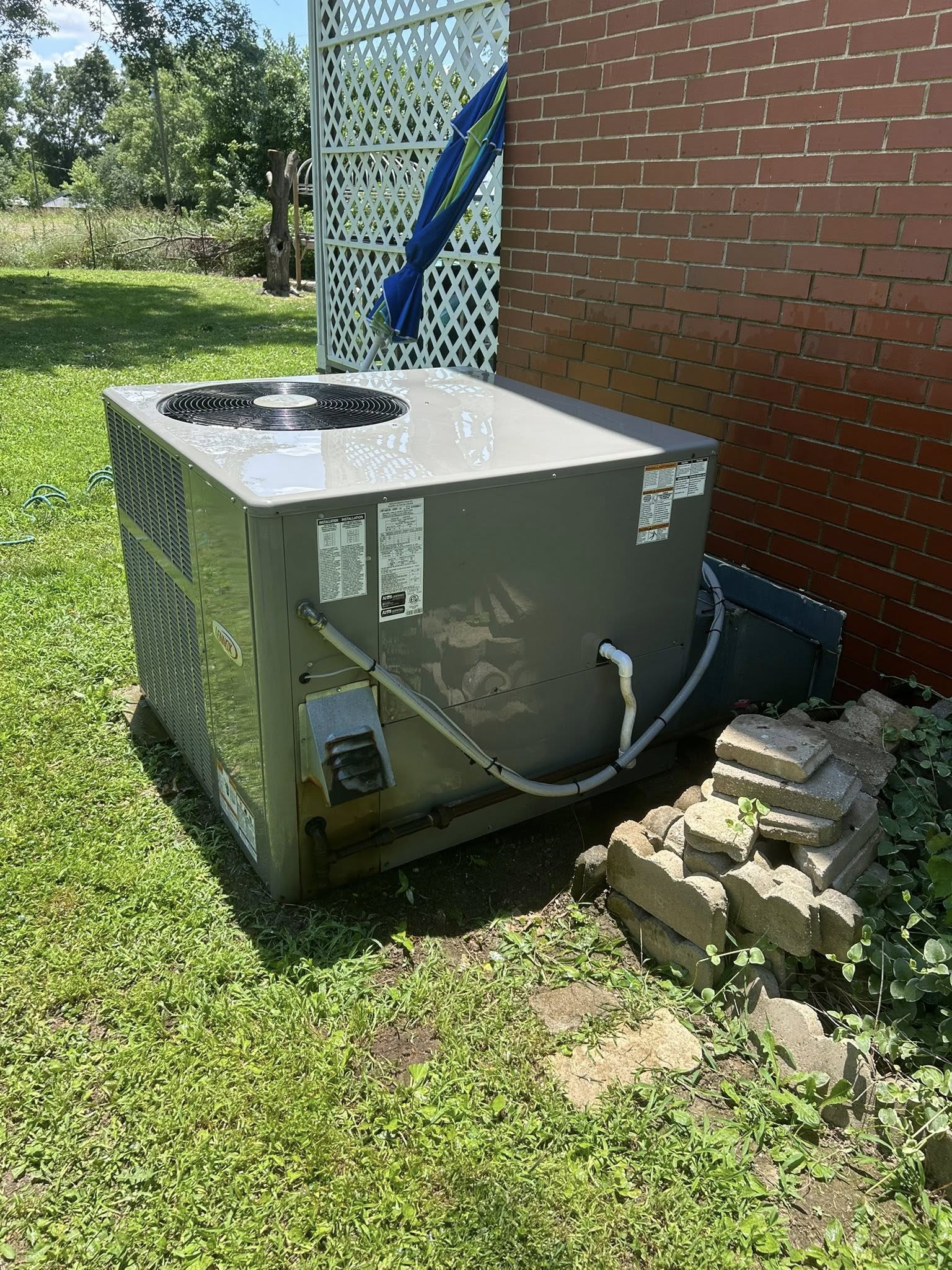
Your HVAC's outdoor unit requires unobstructed airflow to function optimally. Make it a regular task to clear debris, leaves, and other obstructions from around the unit. Ensure that at least two feet of space surrounds the unit for proper airflow. Regular cleaning prevents overheating and helps maintain efficiency, ultimately lowering energy costs.
Upgrade to Energy-Efficient Equipment
If your HVAC system is over ten years old or frequently requires repairs, it might be time to consider upgrading to more energy-efficient equipment. Modern HVAC systems are designed with energy savings in mind, often providing significantly reduced energy consumption compared to older models. While the initial investment can be daunting, the long-term savings on your energy bills often justify the expense.
Plan for Season-Specific Adjustments
Each season brings different demands on your HVAC system. In the summer, consider using fans to circulate air, which can allow you to keep your thermostat set a few degrees higher. In the winter, reverse the direction of your ceiling fans to push warm air back down. Simple adjustments like these ensure your system runs efficiently no matter the season.
Concluding Thoughts
Seasonal HVAC maintenance doesn't just prevent costly breakdowns; it also contributes significantly to reducing your energy bills. By following these tips, you can ensure your HVAC system remains in peak condition, providing you with comfort and peace of mind all year long. At Caldera Heating and Air LLC, we're here to support you with expert advice and professional services tailored to your specific needs. Stay proactive and enjoy the savings and efficiency of a well-maintained HVAC system.
/filters:no_upscale()/filters:format(webp)/media/7f447c73-5e58-483f-ac52-813f99f48163.jpg)
/filters:no_upscale()/filters:format(webp)/media/73fcaa8a-cdf5-4869-a15c-10c2c5e466e0.jpeg)