Preparing Your HVAC System for Extreme Weather Conditions: A Comprehensive Guide Aug 22, 2026
Start by scheduling a professional inspection of your HVAC system before any expected extreme weather. A professional technician from Caldera Heating and Air LLC can identify potential problems that might not be evident to an untrained eye. Regular inspections ensure that the system runs at optimal efficiency and can help prevent emergent repairs.
Cleaning and replacing air filters is one of the simplest yet impactful steps you can take. Dirty filters restrict airflow, forcing the system to work harder, leading to higher energy bills and potential damages. If clogged filters aren't replaced, they can also reduce indoor air quality. Consider changing your filters every month during peak usage seasons to keep your system functional and your home's air clean.
Proper insulation plays a pivotal role in maintaining an efficient HVAC system. Make sure all ducts are sealed properly and the home is adequately insulated. This step prevents heating and cooling losses, which in turn reduces the burden on your HVAC system. In places with extreme temperatures, insulation can mean the difference between an HVAC unit that manages well and one that fails under pressure.
Thermostats are often overlooked, yet they are central to an HVAC system’s performance. If you haven't already, consider upgrading to a programmable or smart thermostat. These devices offer detailed insights and control over your heating and cooling requirements. They can automatically adjust based on occupancy and the time of day, ensuring that your HVAC system isn't running unnecessarily, thereby reducing energy consumption and costs.
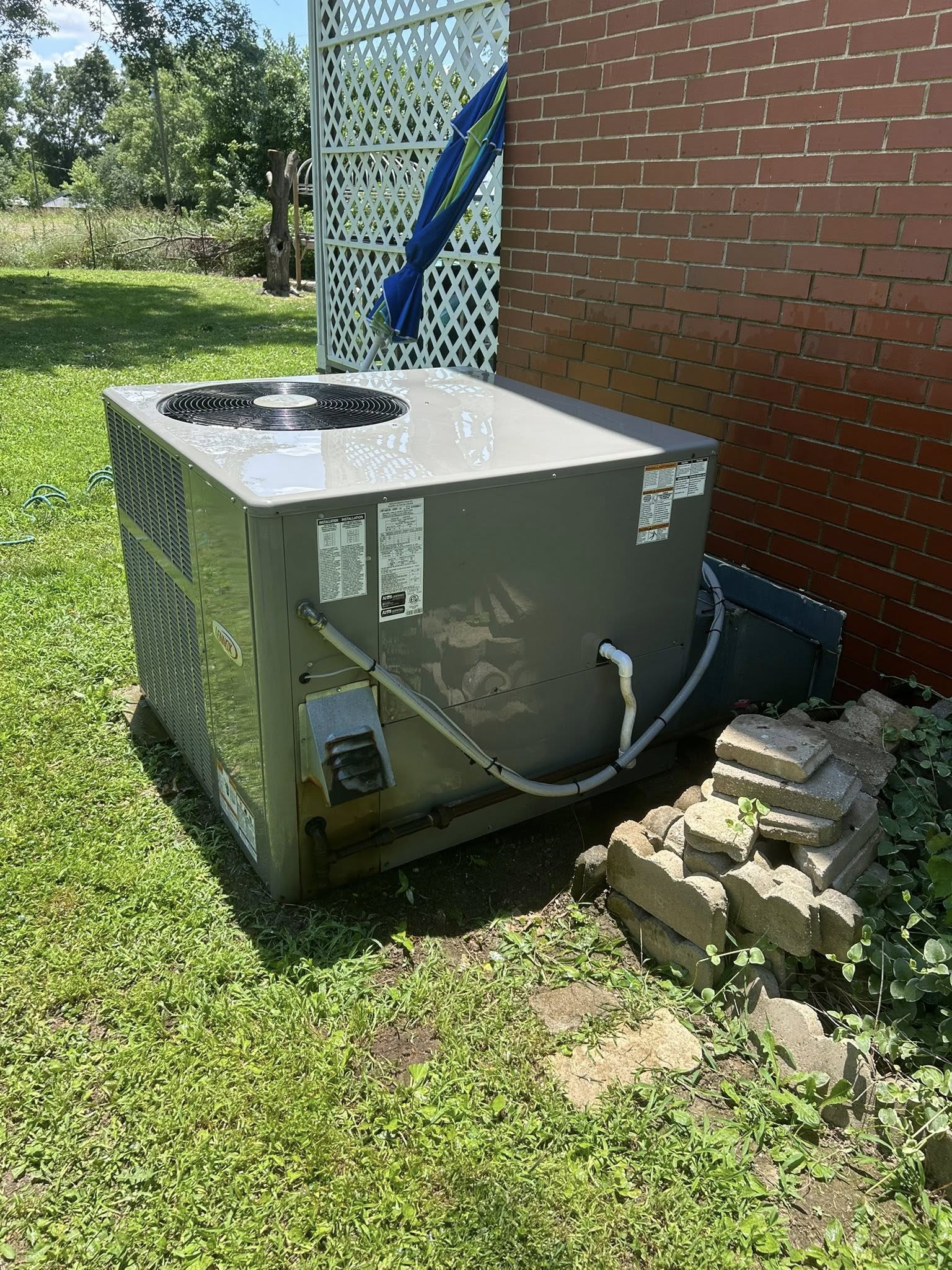
Conduct an outdoor inspection of your HVAC unit. Clear any debris, leaves, or dirt from around the unit that might obstruct airflow. Ensure that plants and other objects are at least two feet away from the outdoor unit. Over time, such obstructions can cause your system to work harder than necessary, leading to inefficiencies and wear.
Also, don't forget to check the vents around your home. Make sure they are not blocked by furniture or drapes and that air can freely circulate. This checks that there is uniform heating or cooling throughout your home and prevents hot or cold spots.
Finally, educate yourself on the signs of HVAC system distress. Awareness of unusual noises, higher utility bills, or uneven temperatures can help homeowners address potential issues before they become emergencies.
In conclusion, preparing your HVAC system for extreme weather involves a combination of professional maintenance and regular homeowner checks. By following these steps, you not only ensure the longevity and efficiency of your system but also contribute to a more comfortable home environment during the harshest weather conditions. For further help, remember that Caldera Heating and Air LLC is always ready to provide expert HVAC services tailored to your specific needs. Keep your system running smoothly and ensure peace of mind no matter the weather.
/filters:no_upscale()/filters:format(webp)/media/7f447c73-5e58-483f-ac52-813f99f48163.jpg)
/filters:no_upscale()/filters:format(webp)/media/73fcaa8a-cdf5-4869-a15c-10c2c5e466e0.jpeg)