Essential HVAC Upgrades to Boost Energy Efficiency in Older Homes Aug 25, 2026
Firstly, upgrading your thermostat is a simple yet effective way to enhance energy efficiency. Modern programmable thermostats are more accurate and offer greater control over your home's temperature settings. By scheduling temperature changes to coincide with your daily routine, you can reduce energy use during periods when the home is unoccupied or when you're asleep. For example, smart thermostats can learn your schedule and preferences, automatically adjusting settings to optimize comfort and savings.
Another essential aspect of upgrading HVAC systems involves addressing insulation and ductwork. Older homes often suffer from inadequate insulation, leading to significant energy loss. Enhancing insulation in key areas like attics and walls can substantially improve your home's ability to maintain desired temperatures with less strain on your heating and cooling systems. Additionally, inspecting and sealing ductwork can prevent air leaks, ensuring that the conditioned air efficiently reaches every room.
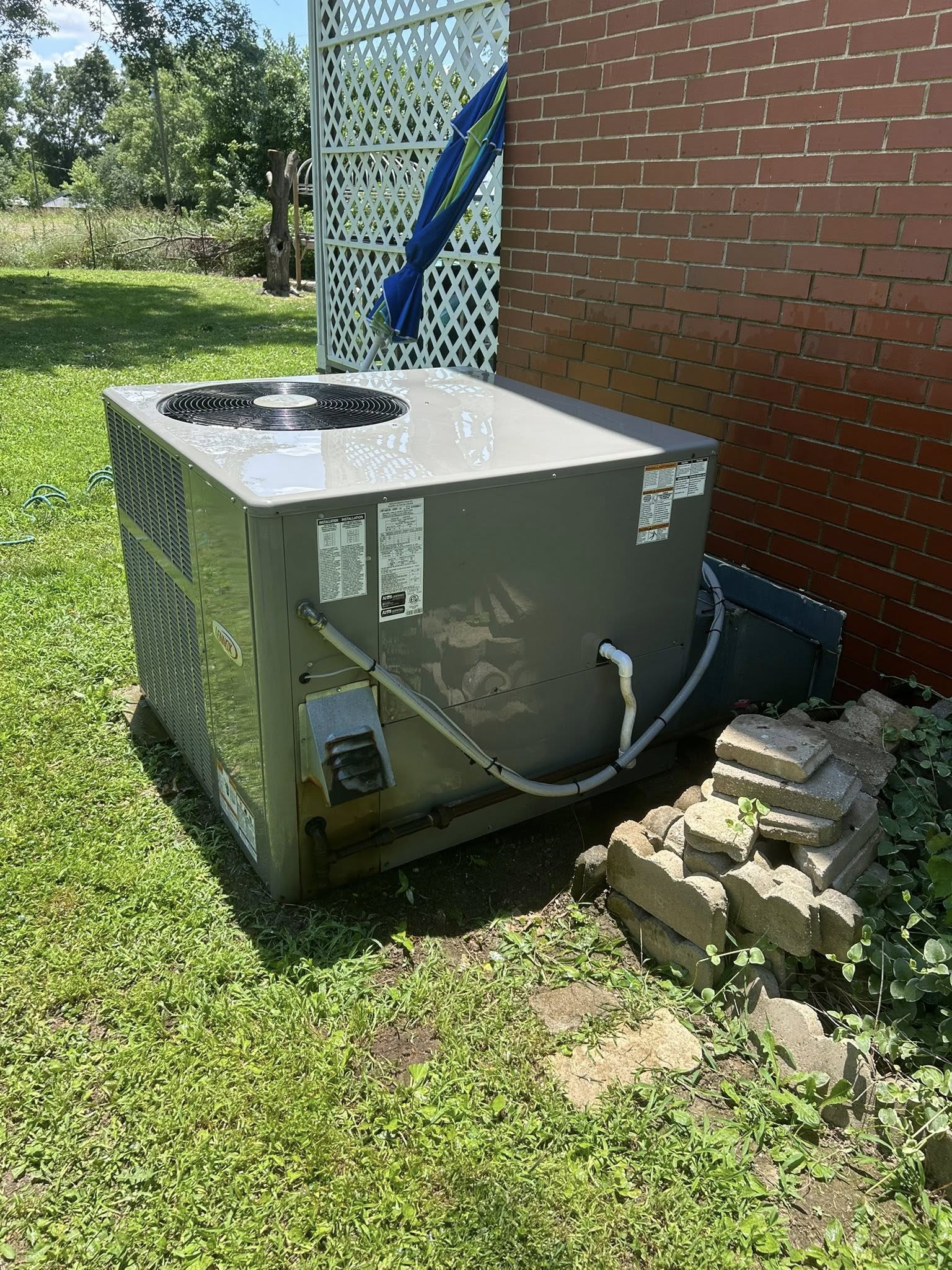
Replacing outdated equipment with modern, energy-efficient models can also lead to substantial savings. Older HVAC units tend to have lower Seasonal Energy Efficiency Ratios (SEER) compared to newer systems. By upgrading to a unit with a higher SEER rating, homeowners can reduce energy consumption and lower utility bills. Furthermore, modern units often come with advanced features such as variable-speed blowers and two-stage compressors, providing more precise temperature control and greater efficiency.
Integrating renewable energy sources into your HVAC system is another effective upgrade. Installing a heat pump, which uses electricity to transfer heat rather than generating it, can significantly increase energy efficiency. In climates that allow for the use of solar power, integrating solar panels to support your HVAC system can also reduce dependency on traditional energy sources, leading to long-term savings.
Regular maintenance of your HVAC system is also vital for maximizing efficiency in older homes. Routine inspections and servicing, offered by Caldera Heating and Air LLC, can identify potential issues before they become major problems. Services such as cleaning or replacing air filters, checking refrigerant levels, and inspecting electrical connections, ensure that the system runs smoothly and efficiently.
Finally, consider adopting zoning systems which allow for specific temperature control in different areas of the home. This upgrade prevents wastage by focusing energy use on occupied areas, thus enhancing comfort while reducing overall energy consumption.
In conclusion, upgrading the HVAC system in older homes is a practical approach to achieving better energy efficiency while maintaining comfort. By implementing changes such as smart thermostats, improving insulation and ductwork, upgrading equipment, integrating renewable energy, and ensuring regular maintenance, homeowners can experience significant energy savings. Caldera Heating and Air LLC offers comprehensive services to assess and enhance your system, ensuring your home remains a comfortable and efficient environment year-round. Improving your home's energy efficiency not only reduces utility costs but also contributes to a more sustainable future, making it an investment worth considering.
/filters:no_upscale()/filters:format(webp)/media/7f447c73-5e58-483f-ac52-813f99f48163.jpg)
/filters:no_upscale()/filters:format(webp)/media/73fcaa8a-cdf5-4869-a15c-10c2c5e466e0.jpeg)